Enforcement ·
Texas Issues Shutdown Order Against Port Arthur Fuel Station Owner
The state action against OHK Global followed a tank-testing investigation and restricts fuel operations at the North Twin City Highway property.
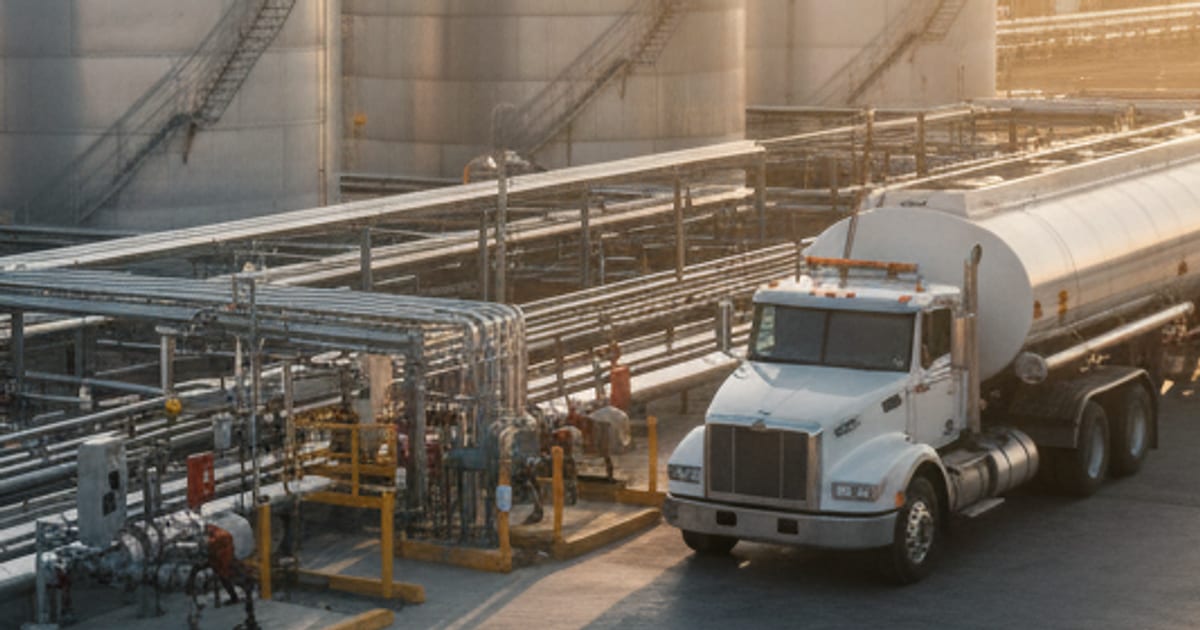
Texas regulators adopted a default and shutdown order against OHK Global Inc. on July 30 in a case involving a Port Arthur fuel station. The August 14 Texas Register notice identifies the case as 2025-0317-PST-E and lists $6,285 in administrative penalties. An earlier state notice places the underground tank system and convenience store at 7621 North Twin City Highway.
The Beaumont Enterprise reported that investigators found failures to perform annual tank integrity testing, following a March 2024 inspection and later record reviews. The newspaper said the company did not respond to the agency’s written notice and that the order barred fuel deliveries and sales even under a subsequent operator. Its account describes excavation and emptying of the tank among the conditions affecting the property.
A default carries consequences beyond an administrative fine. Under TCEQ’s policy for petroleum storage tank enforcement cases, the agency seeks revocation of the delivery certificate when a respondent fails to answer a petition or participate in a hearing. The agency says it serves both the owner and operator when the certificate holder is not already a party to the case. A prospective operator therefore needs the order itself to determine the work necessary before fuel deliveries can resume.
The certificate is part of Texas’s ongoing supervision of underground motor-fuel tanks. State registration guidance requires owners to certify compliance with administrative and technical requirements and renew delivery authorization each year. That annual renewal is distinct from the inspection and testing intervals that apply to particular equipment.